Product Description
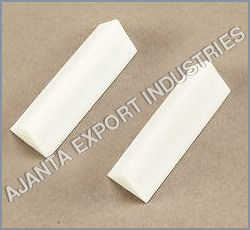
Triangular Magnetic Stirrer Bar, PTFE / ALNICO V MAGNET
Features
- Ideal for mixing difficult solutions e.g. dissolving solvents or mixing sediments.
- Spins well giving the best possible mixing action. 2. For the stirring of liquids on magnetic stirrers and hot plates stirrers.
- Strong alloy magnets sheathed in pure white inert PTFE.
- Resistant to virtually all chemical attack and temperatures up to 260°C.
Triangular Magnetic Stirrer Bar, PTFE / ALNICO V MAGNET| Code | H x L (mm) | No. Per Case |
| P80130 | 14 x 25 | 2 |
| P80131 | 14 x 40 | 2 |
| P80132 | 14 x 55 | 2 |
Exceptional Chemical Resistance and DurabilityWith a PTFE (Polytetrafluoroethylene) coating and an Alnico V magnet core, this triangular stirrer bar is engineered to withstand aggressive chemicals, including strong acids, bases, and solvents. Its robust construction and corrosion resistance make it an excellent choice for harsh laboratory conditions, ensuring longevity and reliable performance.
Versatile Laboratory ApplicationIdeal for thorough mixing and stirring of liquid solutions, this magnetic stirrer bar is compatible with a wide range of laboratory vessels. Its triangular design creates efficient turbulence, promoting rapid and homogeneous mixing. The bar accommodates various vessel sizes, offering flexibility for different laboratory workflows.
Safe, Sterilizable, and ReusableSafety and reusability are essential in laboratory environments. This stirrer bar is fully autoclavable for effective sterilization between uses, safeguarding against contamination. Its non-toxic materials and smooth, non-stick finish ensure it can be safely reused multiple times without degradation or chemical interaction.
FAQ's of Triangular Magnetic Stirrer Bar, PTFE / ALNICO V MAGNET:
Q: How is the Triangular Magnetic Stirrer Bar used in laboratory settings?
A: The stirrer bar is placed inside a vessel containing liquid, and a magnetic stir plate beneath the vessel generates a rotating magnetic field. The strong Alnico V magnet core allows the bar to spin efficiently, mixing the liquid thoroughly.
Q: What advantages does the PTFE coating offer for this magnetic stirrer bar?
A: PTFE coating provides strong chemical resistance to acids, bases, and solvents, making the bar suitable for use with a wide array of substances. Additionally, it delivers a smooth, non-stick surface that is easy to clean and prevents unwanted reactions with samples.
Q: When should I choose a triangular magnetic stirrer bar over other shapes?
A: A triangular stirrer bar is recommended when enhanced turbulence and mixing efficiency are important, especially for rapidly dissolving solids or ensuring homogeneity in dense solutions. Its shape helps achieve more effective fluid circulation compared to traditional cylindrical bars.
Q: Where can this magnetic stirrer bar be sterilized, and is it reusable?
A: The bar is autoclavable, which means it can be sterilized in a standard laboratory autoclave. Its robust construction allows for repeated sterilization and reuse, maintaining reliable performance over time.
Q: What laboratory vessels and capacities are compatible with this stirrer bar?
A: This magnetic stirrer bar comes in various lengths (commonly 20-40 mm), making it suitable for a wide range of vessel sizes, from small flasks and beakers to larger laboratory containers, supporting versatile laboratory applications.
Q: How does the temperature and speed resistance of this stirrer bar enhance laboratory mixing?
A: With resistance to temperatures up to 250C and a wide operative speed range (typically 100-1500 RPM), the stirrer bar performs reliably in both gentle and vigorous mixing conditions, accommodating processes that involve heating or require rapid agitation.
Q: What makes this magnetic stir bar safe and environmentally friendly for laboratory use?
A: Manufactured from non-toxic, chemically inert materials, the stir bar does not leach hazardous substances into solutions. Its durability and ease of cleaning allow for repeated safe use, reducing waste and supporting sustainable laboratory practices.







 English
 Spanish
 French
 German
 Italian
 Chinese (Simplified)
 Japanese
 Korean
 Arabic
 Portuguese


 Send Inquiry

