Product Description
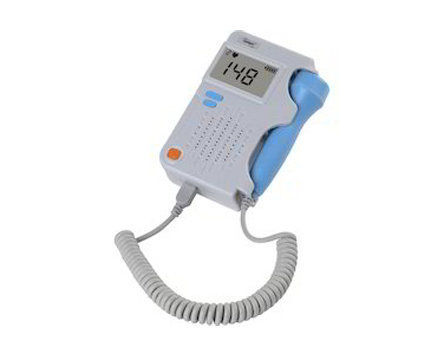
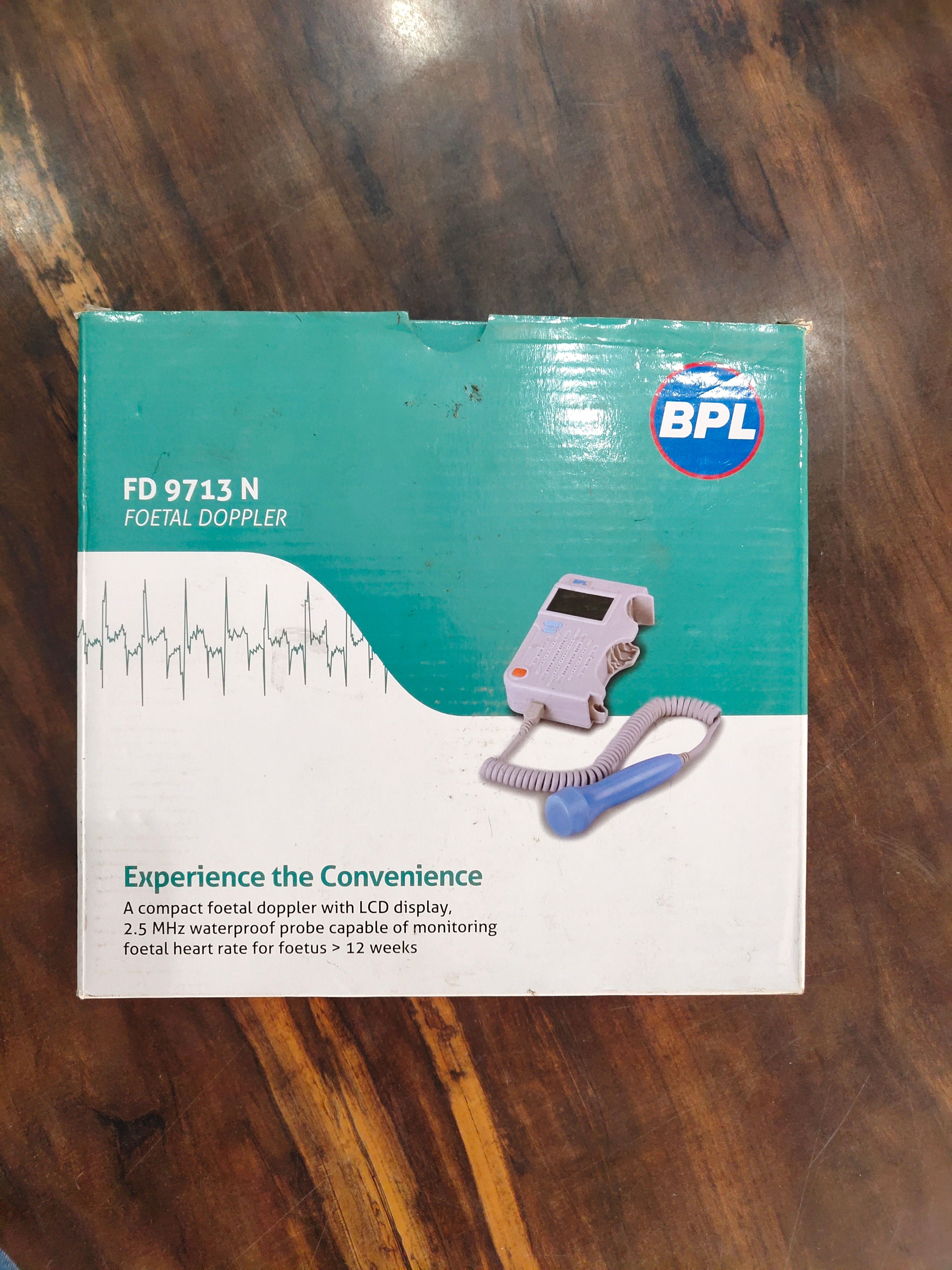
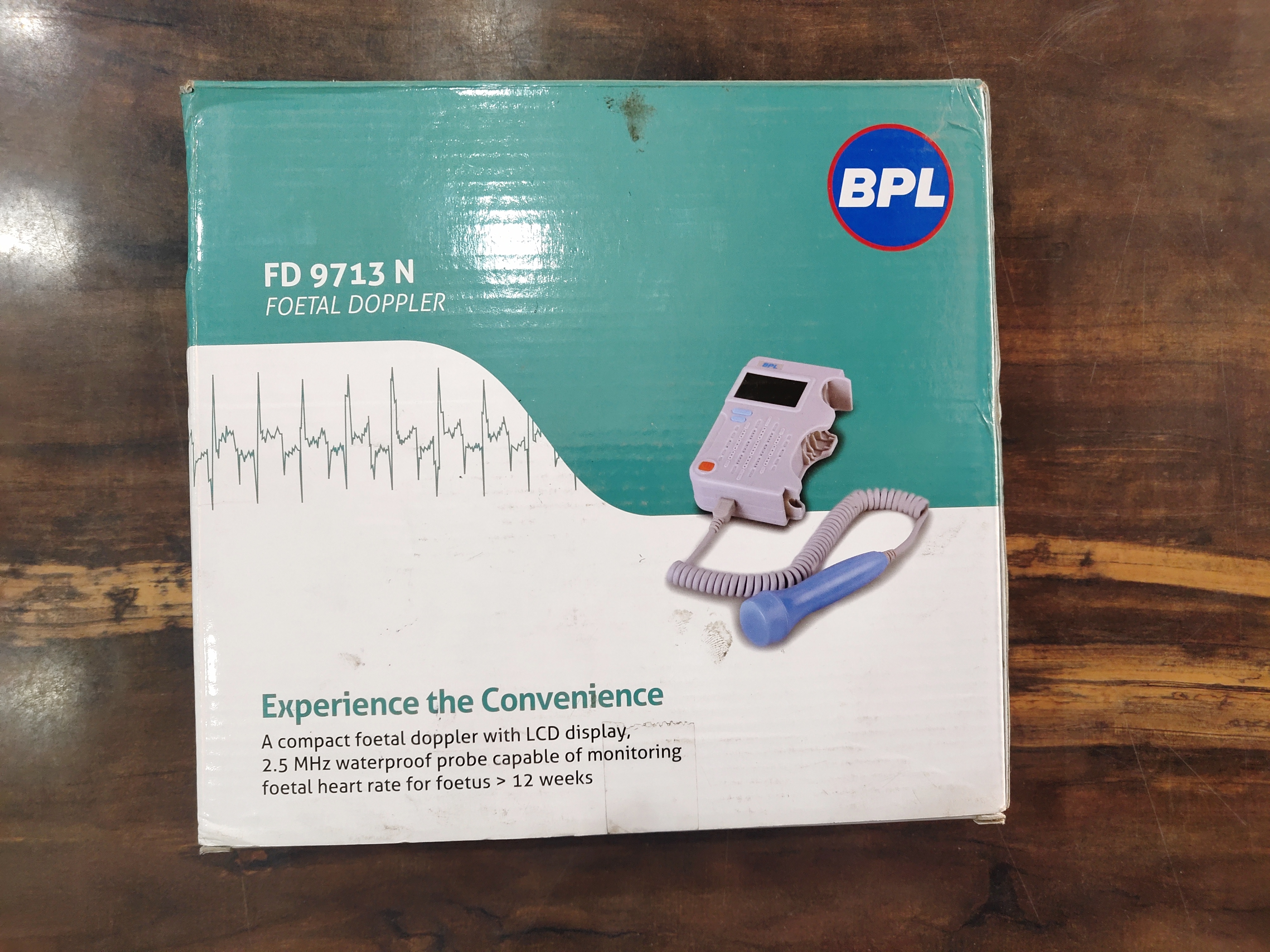
Doppler BPL
- 2.5 MHz water proof probe
- Monitors foetus > 12 weeks
Fetal Doppler scan at 6 weeks usually detects embryonic heartbeat.Foetal Doppler at 9 weeks usually detects 160-180 beats per minute. FetalDoppler ultrasound normal values should be discussed with your doctor. DopplerUltrasound for fetal heartbeat is usually very accurate, but still the Dopplerultrasound fetal heart rate should be discussed with a doctor when in doubt.
Advanced Vascular AssessmentEquipped with an 8 MHz vascular probe and real-time digital operation, the Doppler BPL provides precise measurement of blood flow velocity and direction, aiding in the detection of peripheral vascular diseases. Its user-friendly interface and sensitive probe ensure reliable assessments in diverse medical environments.
Safety and ReliabilityMeeting IEC 60601-1 safety standards, the Doppler BPL ensures safe operation for both patients and clinicians. With audio-visual alarms for abnormal readings and a low noise level below 60 dB, it prioritizes patient comfort and immediate response during vascular evaluations.
Flexible Power and ConnectivityEnjoy up to 4 hours of continuous monitoring with rechargeable battery support, or use the AC adapter for uninterrupted assessments. Data can be conveniently transferred via the USB port, enhancing workflow efficiency for hospital and clinical staff.
FAQs of Doppler BPL:
Q: How does the Doppler BPL detect blood flow velocity and direction in peripheral vessels?
A: The Doppler BPL uses an 8 MHz ultrasound probe to send and receive sound waves through peripheral vessels. It processes the returned signals digitally to calculate blood flow velocity and direction, displaying the information in real time on the LCD screen for accurate vascular assessment.
Q: What is the benefit of the Doppler BPLs audio-visual alarm system?
A: The audio-visual alarm notifies users immediately when abnormal vascular readings are detected, helping healthcare professionals react quickly to potential issues and ensuring patient safety during examinations.
Q: When should the Doppler BPL be used in a clinical setting?
A: It is suitable for use during routine vascular assessments, detection of peripheral vascular diseases, and blood pressure measurements in hospitals, clinics, and diagnostic centers. The device is ideal for both preventive screenings and ongoing patient monitoring.
Q: Where can the Doppler BPL be utilized within a healthcare facility?
A: The device is portable and lightweight, making it easy to use beside patient beds, in outpatient clinics, or diagnostic imaging areas. Its non-wall-mounted design allows for flexible deployment across different medical departments.
Q: What is the process for transferring patient data from the Doppler BPL?
A: Patient data can be exported using the integrated USB port. Simply connect the device to a computer or compatible storage device to transfer and store examination results securely and efficiently.
Q: How do users benefit from the Doppler BPLs real-time operation and high-sensitivity probe?
A: Real-time measurements with the high-sensitivity 8 MHz probe ensure accurate detection and immediate display of vascular information. This improves diagnostic capabilities and supports prompt decision-making for clinicians.








 English
 Spanish
 French
 German
 Italian
 Chinese (Simplified)
 Japanese
 Korean
 Arabic
 Portuguese





 Send Inquiry

