Product Description
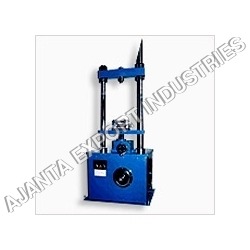
Our range of Universal Testing System for Geotextile is widely known for its variegated utility and applications. This range tests the range with utmost accuracy carrying out different testing procedures such as gripping the fabric, rate of deformation, sample size/aspect ratio, initial preload and fabric conditioning. It is manufactured by a team of proficient engineers for accurate and reliable performance. The technical specifications of it are tabulated below:
Features:
Electrically operated
Low power consumption
High performance
Technical Specification:
| Cat. No. | Capacity | Speed range |
| AEI- 707 | 100 kN | 5 to 320mm/min. |
| AEI- 707D | 100 kN Digital | 5 to 320mm/min. |
| AEI- 708 | Long Term Flow test Apparatus | -
|
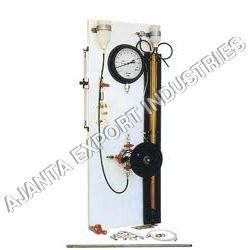
| AEI- 709 | Puncture test Apparatus for geotextile | -
|
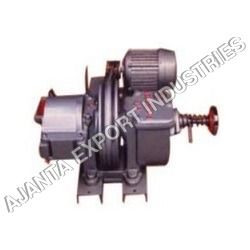
| AEI- 710 | Hydrodynamic Drive test Apparatus | -
|
The two-column rigid construction of this testing system ensures minimal deflection during testing, leading to more reliable and accurate geotextile measurements. Its robust metal frame is engineered for long-term durability, making it ideal for continuous laboratory use, whether for quality control or R&D applications.
Effortless Operation and SafetyOperating the Universal Testing System is straightforward, thanks to its user-friendly manual controls. It also incorporates advanced safety mechanisms, including overload and emergency stop features, providing protection for both users and samples throughout testing routines.
Versatile Testing and Data ManagementWith interchangeable clamps and multiple accessories, this machine can accommodate various geotextile sample types. It offers modern data management with USB and RS232 interfaces, complemented by PC software for analysis and comprehensive report generation, ensuring efficiency and compliance with international standards.
FAQ's of Universal Testing System For Geotextile:
Q: How does the Universal Testing System ensure precise measurement of load and displacement during testing?
A: The system achieves high precision through a strain gauge load cell for load measurements and an encoder-based mechanism for displacement. These components provide accurate and repeatable data, ensuring reliable results for geotextile testing.
Q: What types of geotextile samples can be tested with this system, and how are they secured during evaluation?
A: This testing system is compatible with various geotextile samples, thanks to interchangeable clamps and a comprehensive set of grips and jaw faces. These fixtures securely hold the samples in place, accommodating different sizes and types as needed for testing protocols.
Q: When should safety features like overload and emergency stop protection be used during operation?
A: Safety features activate automatically in the event of unexpected overload or an operational emergency to prevent damage to the machine and samples. Operators can manually engage the emergency stop if they identify any irregularities during a test cycle.
Q: Where can data from the testing system be accessed or exported for further analysis?
A: Test results can be easily exported using the system's USB and RS232 data output options. Additionally, the provided PC software facilitates data analysis and comprehensive report generation, streamlining laboratory workflows.
Q: What is the process for preparing the system for a new geotextile test?
A: First, select and install the appropriate interchangeable clamps for your sample. Next, set up the testing parameters via the display and software. Once the sample is secured and settings are confirmed, initiate the test using the manual controls while monitoring all safety functions.
Q: How is this Universal Testing System beneficial for laboratories focused on geotextiles?
A: The system delivers accurate, standardized results due to its compliance with ASTM and ISO standards, robust frame, and advanced measurement technologies. Its versatility, data management options, and safety features enhance workflow efficiency and quality control in laboratories.







 English
 Spanish
 French
 German
 Italian
 Chinese (Simplified)
 Japanese
 Korean
 Arabic
 Portuguese


 Send Inquiry

