Product Description
The
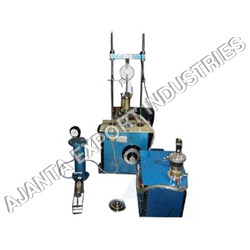
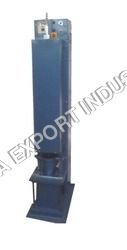
Triaxial Shear Apparatus is an important component of soil testing equipment. It is mainly used for measuring the mechanical properties of soil and various other granular materials and powder. Besides being one among the well-acclaimed Standard Triaxial Shear Apparatus Manufacturers, we also stand among the reputed Suppliers all over India.
Versatile Sample CompatibilityThe Triaxial Shear Apparatus caters to a range of sample sizes, including 38 mm and 50 mm standard diameters, with heights of 76 mm and 100 mm. Custom diameters are available upon request, enabling adaptable soil testing based on specific project or research requirements.
Superior Build and AccessoriesConstructed from mild steel with a corrosion-resistant finish, the apparatus ensures long-term durability in laboratory environments. It comes equipped with essential accessories like Perspex or brass test cells, rubber sheaths, porous stones, and filter papers, guaranteeing reliable and precise test results.
Flexible Operation ModesUsers can choose between manual or motorized operation, accommodating diverse laboratory setups and testing needs. The apparatus is also available with either analog or digital display options, allowing selection based on preferred monitoring methods and technical demands.
FAQ's of Triaxial Shear Apparatus:
Q: How is the sample prepared for testing with the Triaxial Shear Apparatus?
A: To prepare the specimen, select the appropriate diameter (38 mm or 50 mm) and height (76 mm or 100 mm), then carefully encapsulate the soil sample in a rubber sheath. Secure it between the top cap and base plate, and ensure the specimen is properly positioned in the cell with porous stones and filter papers to promote even drainage when needed.
Q: What types of soil tests can be conducted on this apparatus?
A: The apparatus is designed for both drained and un-drained triaxial compression tests on soil samples. This flexibility allows for comprehensive evaluation of soil strength and behavior under various conditions, essential for geotechnical analysis.
Q: When is a motorized operation preferable over manual operation?
A: Motorized operation is recommended when precise or consistent loading rates are required, such as in research or high-throughput laboratories. It ensures accurate loading speeds (from 0.001 to 2 mm/min) and reduces operator fatigue during extended test sequences.
Q: Where is the Triaxial Shear Apparatus typically used?
A: This instrument is commonly employed in geotechnical and civil engineering laboratories across academic institutions, consultancy labs, construction sites, and research centers. It is especially suited for locations requiring detailed soil strength analysis.
Q: What is the benefit of having both analog and digital display options?
A: Offering both analog and digital displays provides users with the flexibility to select their preferred method of data observation and recording. Digital displays are ideal for automated logging and high precision, while analog is valued for simplicity and immediate visual feedback.
Q: How can users ensure consistent test results?
A: For consistent and accurate results, it is important to use proper accessories (such as porous stones and filter papers), adhere to recommended specimen dimensions, calibrate the apparatus regularly, and follow standard testing procedures for loading rates and cell pressures.
Q: What is the export and supply scope of this apparatus in India?
A: As a distributor, exporter, manufacturer, supplier, and trader, the apparatus is widely available across India, serving various laboratory and field requirements in geotechnical engineering.







 English
 Spanish
 French
 German
 Italian
 Chinese (Simplified)
 Japanese
 Korean
 Arabic
 Portuguese


 Send Inquiry

