Product Description
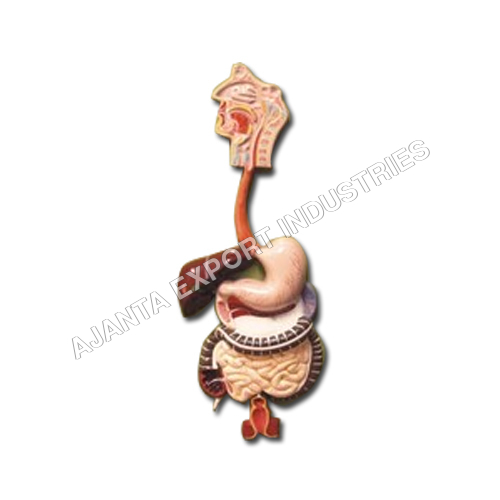
Representation of nose, mouth cavity and pharynx, esophagus the gastrointestinal tract, liver with gall bladder pancreas and spleen, Duodenum, cecum and rectum are opened. The transverse colon is removable. Mounted on board Detailed and Durable ConstructionOur Human Digestive System model is built from high-quality plastic and rubber, ensuring both durability and flexibility for repeated educational use. With its realistic appearance and impressive scale, this model allows educators and medical professionals to demonstrate digestive system structures effectively in classrooms, lab settings, or hospital environments.
Ideal for Medical Training and EducationDesigned specifically for medical laboratories, educational institutions, and hospitals, this giant model serves as a valuable teaching aid. Its size and detailed features make it easy for students and trainees to observe and understand the entire tract, facilitating hands-on learning and in-depth discussion of digestive processes.
FAQ's of Human Digestive System:
Q: How is the Human Digestive System model used in medical education?
A: The model is primarily used to demonstrate the anatomy and functions of the digestive system to students and trainees. Its large, detailed structure offers a visual and tactile reference for understanding each digestive organ's position and role, facilitating more interactive learning in classrooms and labs.
Q: What materials are used to manufacture this model, and why?
A: This model is manufactured using high-quality plastic and rubber. These materials are chosen for their durability, safety, and flexibility, allowing frequent handling and transportation without damage, while closely replicating the texture and appearance of human organs.
Q: When is this model most beneficial in a medical laboratory or hospital setting?
A: The model is especially beneficial during instructional demonstrations, practical examinations, and patient education sessions. Its clear detail and large size make it an excellent tool for both initial learning and ongoing reference among healthcare professionals and students.
Q: Where is this Human Digestive System model typically displayed or used?
A: It is commonly displayed in medical laboratories, lecture halls, hospital educational areas, and training centers. Due to its impressive size, it is often mounted on stands or displayed prominently for maximum visibility during educational sessions.
Q: What is the process for using this model in a demonstration?
A: Instructors usually guide participants through the digestive system step-by-step, pointing out and explaining each part using the model. The detailed, labeled sections assist learners in identifying components and understanding their respective functions within the system.
Q: What are the main benefits of using this model for medical professionals and educators?
A: The model provides a hands-on, three-dimensional way to teach and learn about human digestive anatomy, improving comprehension and retention. Its large scale and detailed construction make it easier to spot key features, supporting clear explanations and collaborative study.







 English
 Spanish
 French
 German
 Italian
 Chinese (Simplified)
 Japanese
 Korean
 Arabic
 Portuguese




 Send Inquiry

