Product Description
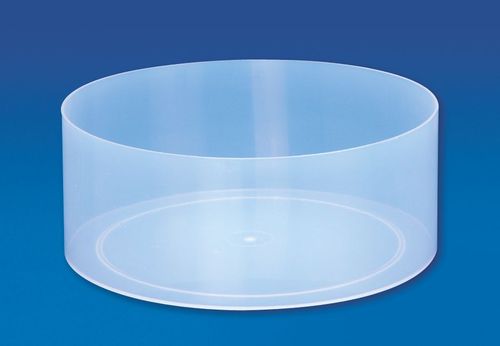
PNEUMATIC TROUGH
These Troughs, made of polypropylene, are autoclavable and are available in different sizes. These can be used for a wide range of purposes including storage, sterilizing & drying labware etc.Material : Polypropylene
| PARTICULARS | PACKING |
|---|
| ø-180 x h-60 mm | 6 Pcs. |
| ø-200 x h-100 mm | 6 Pcs. |
| ø-250 x h-100 mm | 4 Pcs. |
Robust Construction for Laboratory SafetyManufactured using galvanized iron or stainless steel, this pneumatic trough delivers enhanced corrosion resistance and durability. The heavy-duty build ensures longevity, while its smooth-cut edges provide an added layer of safety for students and laboratory professionals during handling.
Designed for Educational and Professional UseWith its universal standard size and ease of operation, this trough is ideal for both school and college laboratories. The portable, leak-proof design and removable gas collector shelf support a variety of gas collection and displacement experiments, making it a valuable tool for teaching and research.
Effortless Maintenance and VersatilityEasy to clean and maintain, the trough comes with a fitted water outlet tap for straightforward drainage. The optional glass shelf or grid enhances its adaptability, offering flexibility for diverse experimental setups in laboratory environments.
FAQ's of PNEUMATIC TROUGH:
Q: How is the removable shelf/grid on the pneumatic trough used during gas collection experiments?
A: The removable shelf or grid is placed inside the trough to support gas collection jars or tubes, allowing for efficient displacement of water and facilitating gas collection without contamination. It can be taken out or repositioned as needed for various experimental setups.
Q: What are the primary benefits of using the pneumatic trough in educational laboratories?
A: This trough is designed with portability, safety, and ease of use in mind, making it perfect for school and college labs. Its corrosion-resistant construction, smooth edges, and leak-proof design ensure safe operation, while the universal size ensures compatibility with a wide range of glassware and accessories.
Q: When should I opt for a stainless steel (SS) base over a galvanized iron (GI) one?
A: Choose a stainless steel base if you require higher rust resistance and greater temperature tolerance (up to 100C). It's especially beneficial in settings with frequent water use or experiments involving warmer conditions. For moderate use, a galvanized iron base offers reliability at a lower cost.
Q: Where can this pneumatic trough be used?
A: This equipment is suitable for laboratory environments in schools, colleges, and research institutions. Its versatile design and universal compatibility make it ideal for various educational and professional laboratory experiments across India.
Q: How do I drain water from the pneumatic trough after use?
A: The trough is equipped with a fitted water outlet tap. Turn the tap after removing the gas collection apparatus and gently tilt if necessary for faster drainage. This feature streamlines cleanup and helps maintain laboratory hygiene.
Q: What kind of gases can be collected using this trough?
A: The pneumatic trough is capable of handling a wide range of laboratory gases often generated in teaching settings-such as hydrogen, oxygen, or carbon dioxide-via water displacement processes, thanks to its leak-proof, corrosion-resistant design.







 English
 Spanish
 French
 German
 Italian
 Chinese (Simplified)
 Japanese
 Korean
 Arabic
 Portuguese





 Send Inquiry

