Product Description
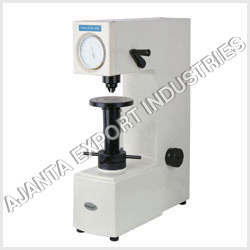
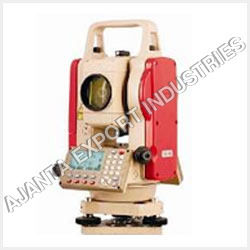
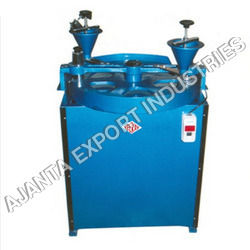
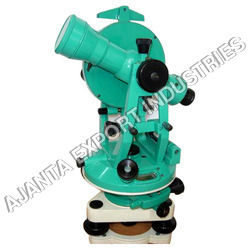
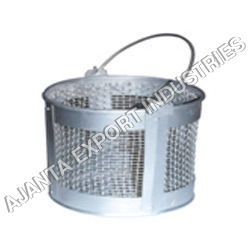
We hold immense expertise in catering to the variegated requirements of the customers by bringing forth a remarkable range of Material Strength Testing Lab Equipments. These products are fully involved in the composition of our line-up to the industry. Our strength of material comes to be fully inclusive of the standard physics lab instruments. Also, our customers can easily buy this range according to their requirements.
Enlisted are some of the salient attributes:
- Accurate dimensions
- Better efficiency
- High functionality
Advanced Testing SolutionsMaterial Strength Testing Lab Equipments provide versatile and precise assessments of material properties. Capable of handling various testing requirements up to 2000 kN, these machines are ideal for metals, polymers, composites, and other materials. The microprocessor-based controls and optional data management features enhance testing reliability and efficiency, making them essential in quality assurance and research laboratories.
Safety and Standards ComplianceThese testing systems are designed with comprehensive safety features, including overload protection and emergency stops. They comply with international standards (IS, ASTM, BS) to ensure valid results across different industries. Accessories such as standard grips and fixtures facilitate a wide range of tests, while the robust stainless steel construction ensures durability.
FAQ's of Material Strength Testing Lab Equipments:
Q: How is the load measured and what is the accuracy of these Material Strength Testing Lab Equipments?
A: The equipment utilizes precision sensors to measure loads accurately, offering a load measurement accuracy of 1%. Whether using the microprocessor-based or manual control option, the digital or analog display clearly presents the measured values during testing.
Q: What types of materials can be tested with this equipment and under what conditions?
A: These lab equipments are designed to test various materials including metals, polymers, composites, and ceramics. They operate efficiently within a temperature range of 10C to 50C, making them suitable for a wide variety of laboratory environments.
Q: When should I opt for optional features like PC connectivity and printer output?
A: Optional PC connectivity and printer output are recommended when you require automated data recording, advanced analysis, or printing of test reports. These features enhance efficiency and are particularly beneficial in labs with high throughput or regulatory documentation requirements.
Q: Where is this equipment typically used and who are the major users?
A: Material Strength Testing Lab Equipments are commonly found in quality control, research and development labs, academic institutions, and manufacturing units. They are suitable for use by manufacturers, exporters, suppliers, distributors, and traders involved in material testing.
Q: What is the process for conducting a strength test with this equipment?
A: To perform a test, select the appropriate grip and fixture, set the material sample, configure test parameters via the control system, and initiate the test. The machine applies a controlled load and records the response, which can then be viewed on digital or analog displays, and optionally exported or printed.
Q: How do the safety features benefit users during operation?
A: Integrated overload protection and emergency stop functions prevent damage to both the equipment and samples, as well as protect users from potential hazards. These safety provisions allow operators to conduct tests confidently and prevent operational accidents.
Q: What are the benefits of using stainless steel construction for this equipment?
A: Stainless steel construction offers excellent resistance to corrosion, ensuring durability and prolonged equipment lifespan even in challenging laboratory conditions. This material choice helps maintain performance accuracy and reduces maintenance needs.







 English
 Spanish
 French
 German
 Italian
 Chinese (Simplified)
 Japanese
 Korean
 Arabic
 Portuguese


 Send Inquiry

