Product Description
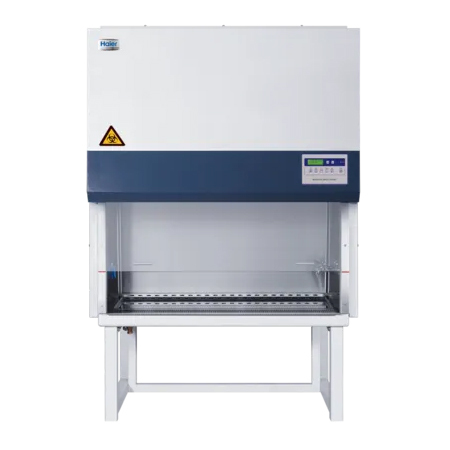
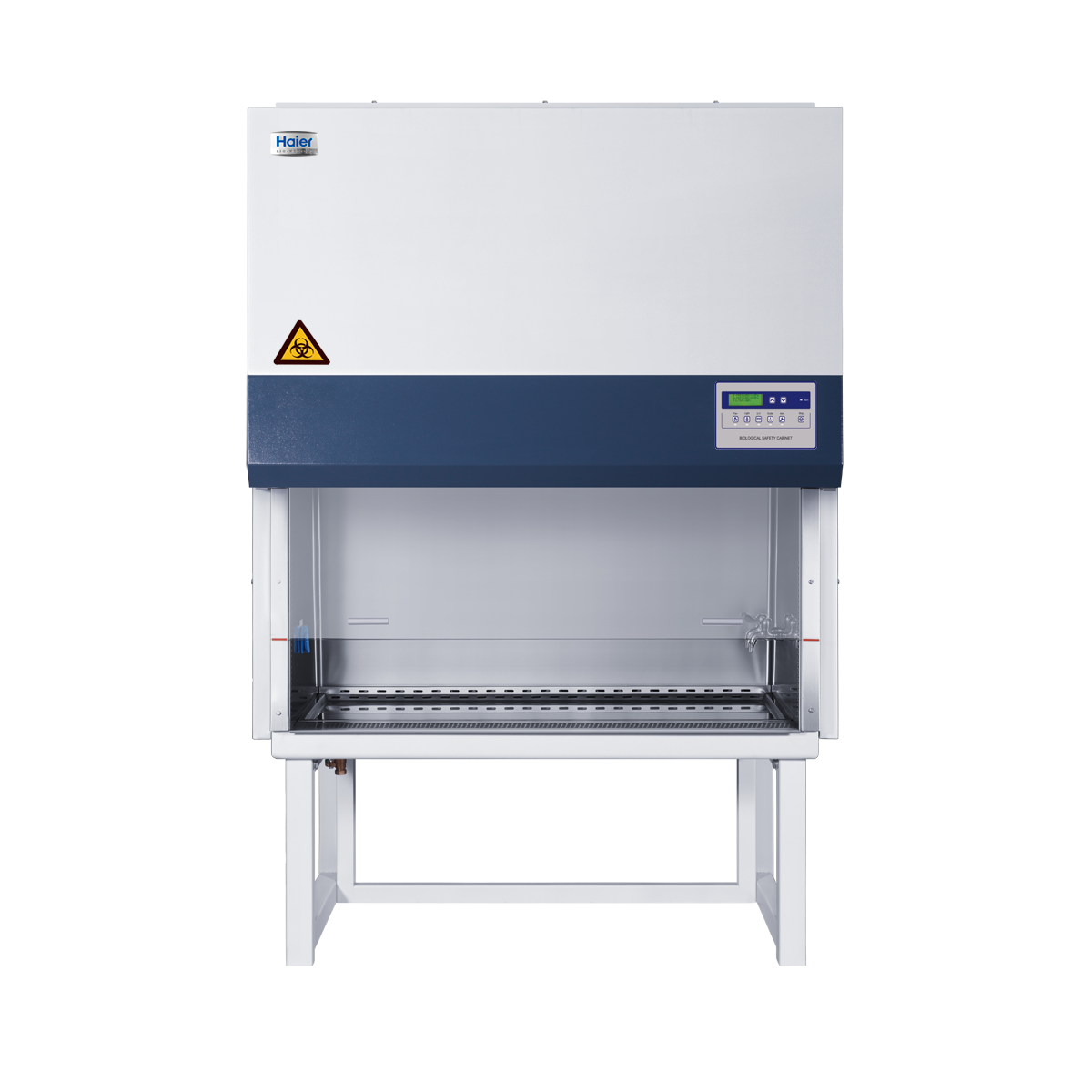
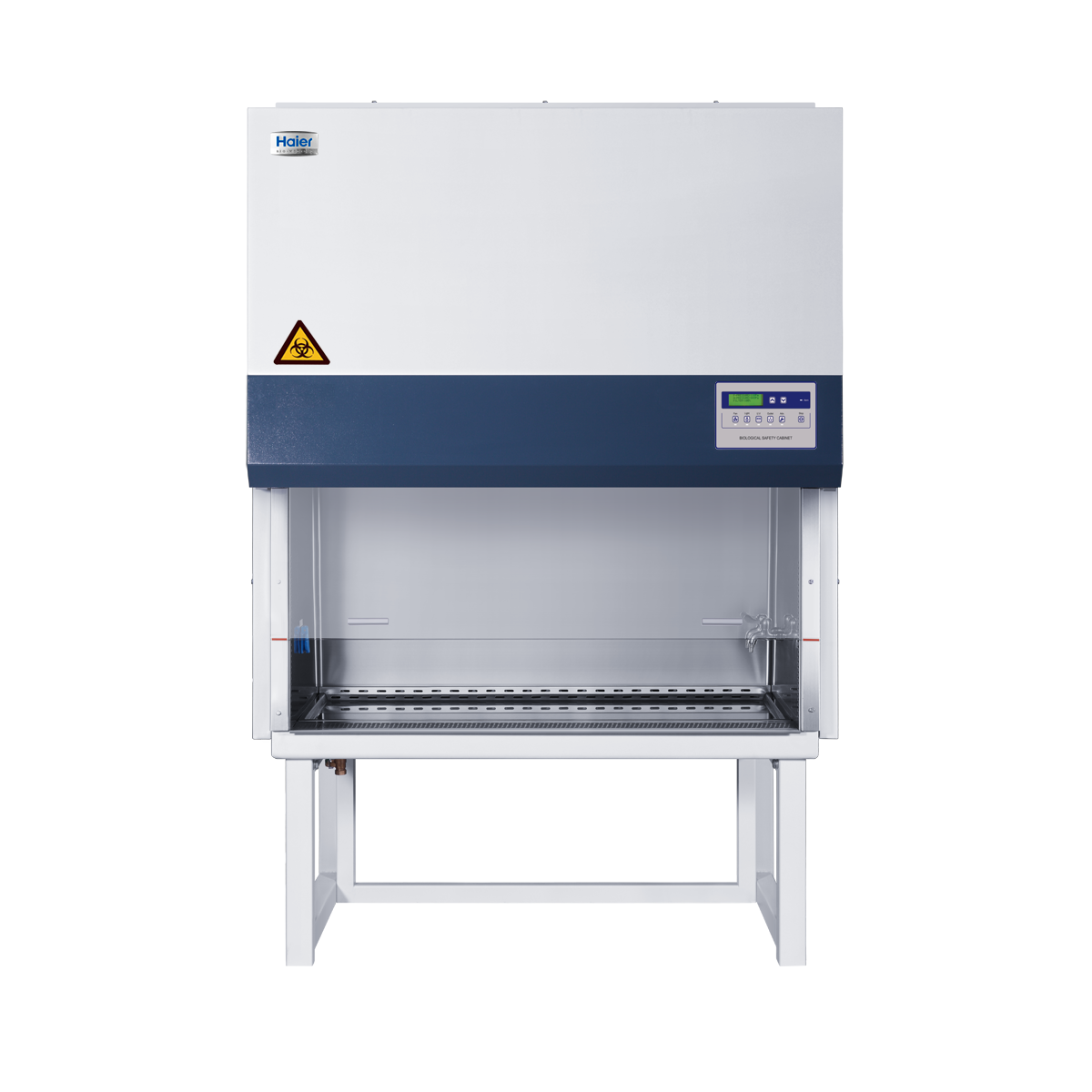
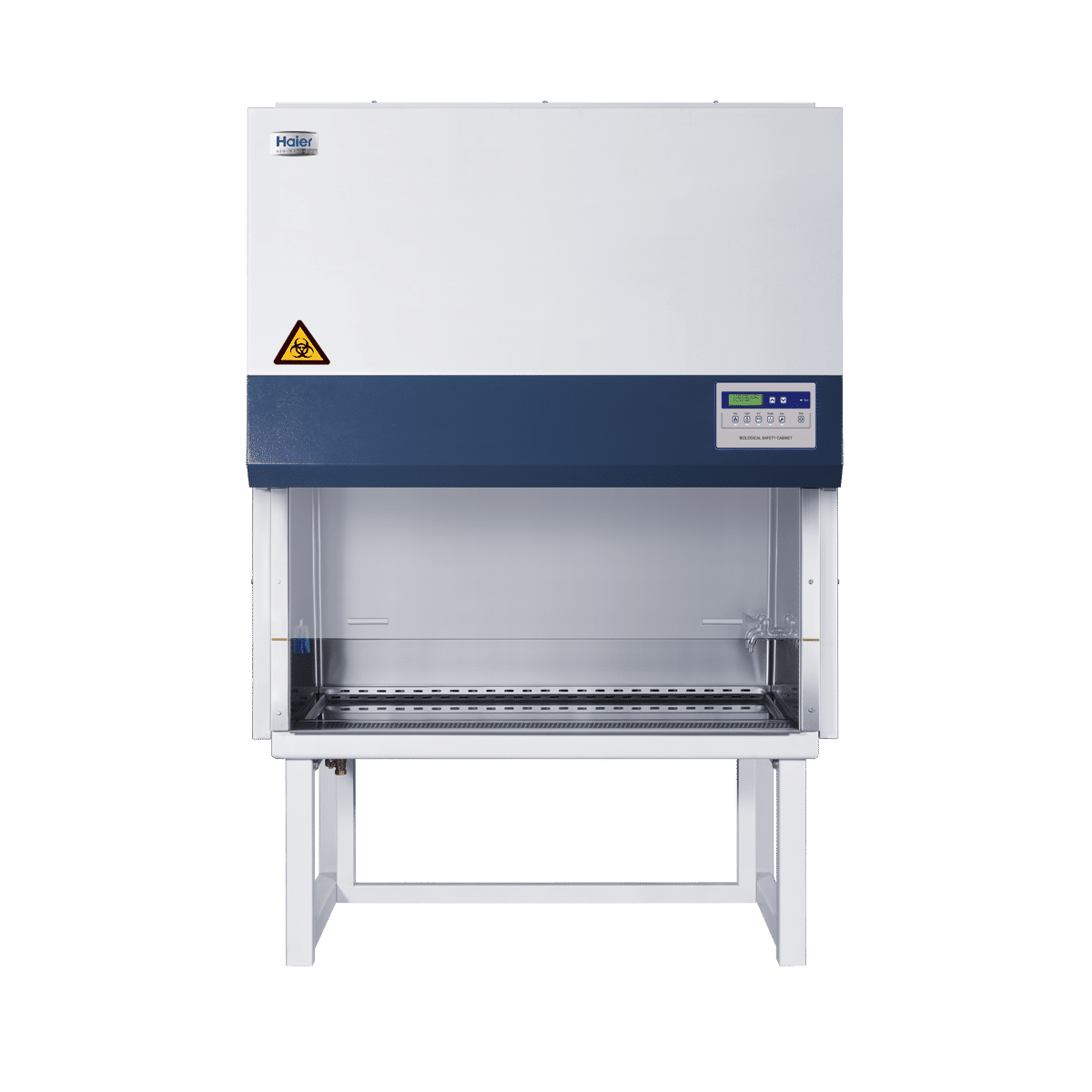
Ajanta Exports Biosafety cabinet We have domain expertise in offering an extensive range of Class I Biological Safety Cabinet, which is available in three different modules. Our range of Class I Bio Safety Cabinets meets the laboratory requirements for life science research, clinical or industrial applications.These Class I Biosafety Cabinets are manufactured using stainless steel for easy cleaning and maintenance and excellent powder coating finish helps to prevent microbial or bacterial growth.
Provides personnel and environmental protection
It is similar in air movement to a chemical fume but usually has a limited fixed work access opening and the exhaust air must be HEPA filtered, to protect the environment
Designed for general microbial research with low and moderate-risk agents
The work zone,which type is much smaller than a chemical fume hood, is geared to working with biological whose process/ producers dictates the use of moderate amounts ofvolatile liquids, that are suitable for re circulation cabinets
Advanced Contamination ControlFitted with a high-efficiency HEPA filter system and UV germicidal lamp, this biosafety cabinet ensures your workflow remains free from airborne contaminants. The airflow is calibrated (0.3-0.5 m/s) for optimal protection of the operator, samples, and the environment. The toughened glass sash plus airflow alarm provides an extra layer of safety during critical laboratory operations.
Customizable for Every LaboratoryThis cabinet is available in different sizes (4, 5, or 6 feet) and offers a range of optional accessories such as gas taps, additional power sockets, and extra UV lamps to adapt to specific laboratory requirements. Whether stainless steel or powder-coated mild steel is selected, the work table is always anti-corrosive SS 304-ensuring durability alongside flexibility in installation.
Efficient Operation and User-Friendly ControlsDesigned to make laboratory work straightforward and safe, the biosafety cabinet features a microprocessor control mode, immediate LED digital feedback, and instant alarm response for optimal safety and user convenience. The smart display and interface make parameter monitoring and adjustments quick, allowing smooth, semi-automatic operation every time.
FAQ's of Biosafety cabinet:
Q: How does the HEPA filter in this biosafety cabinet maintain a contamination-free workspace?
A: The HEPA filter installed in the cabinet offers 99.99% efficiency down to 0.3 microns, capturing nearly all microorganisms and particles from the air. This ensures that both the laboratory operator and experiment remain protected from airborne contaminants throughout usage.
Q: What materials are used in the construction of the cabinet and work surface?
A: The cabinet is constructed from powder coated mild steel or stainless steel 304, according to preference. The internal work table surface is always manufactured from SS 304 stainless steel, providing excellent corrosion resistance and easy cleaning for ongoing laboratory use.
Q: When should I use the UV germicidal lamp inside the biosafety cabinet?
A: The UV germicidal lamp is used before and after experiments to sterilize the internal workspace, effectively neutralizing harmful microorganisms. It is recommended to use the UV lamp when the cabinet is closed and not in use to prevent exposure to UV radiation.
Q: Where can this biosafety cabinet be installed?
A: It is designed as a free-standing piece of equipment and can be placed in any standard laboratory setting. The range of model sizes (4 ft, 5 ft, 6 ft) and standard exhaust HEPA filter outlet make it adaptable to varied laboratory environments within research institutes, hospitals, and industry labs.
Q: What is the process for maintaining the optimal performance of the biosafety cabinet?
A: Routine checks should be performed on the airflow velocity, verify HEPA filter status via the digital LED display, and ensure regular cleaning with appropriate disinfectants. HEPA filters and UV lights may require scheduled replacement as specified in the manufacturer's guidelines.
Q: How does the microprocessor control benefit users in daily laboratory work?
A: The microprocessor control offers precise regulation of airflow, alarm feedback, and programmable operations. This results in safer, more consistent working conditions and allows immediate response to any parameter adjustment needs, supporting laboratory efficiency and compliance.







 English
 Spanish
 French
 German
 Italian
 Chinese (Simplified)
 Japanese
 Korean
 Arabic
 Portuguese


 Send Inquiry

