Product Description
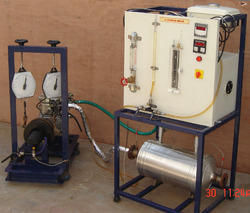
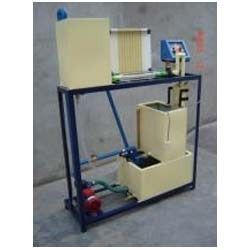
The setup consists of single cylinder, four stroke, petrol engine connected to rope brake type dynamometer for variable loading. The setup has stand-alone type independent panel box consisting of air box, fuel tank, manometer, fuel measuring unit.
Experiments
- 1 Study of engine performance for power, efficiencies, fuel consumption, air fuel ratio
Utilities Required
- Electric supply: Provide 230 +/- 10 VAC, 50 Hz, single phase electric supply with proper earthing. (Neutral Earth voltage less than 5 VAC)
- Space: 3300Lx2900Wx1700H in mm
- Fuel, oil: Petrol: @ 10 liter, Lubricating oil: @ 1 liter (20W40)
Comprehensive Engine Performance AnalysisThis test rig facilitates in-depth analysis of single-cylinder four-stroke petrol engines, enabling measurement of crucial parameters like RPM, torque, brake power, fuel consumption, and exhaust emissions. The inclusion of digital indicators and optional data acquisition systems allows for precise and real-time monitoring, making it suitable for laboratory education, research, and industrial performance verification.
Flexible Operation and ConfigurationsOperators can choose between battery or magneto ignition, and the air-cooling system keeps the engine within safe temperatures. The manual starting mechanism adds practical learning for students, while optional water cooling and exhaust gas analysis ports enhance experimental possibilities. All required piping for fuel, exhaust, and cooling is integrated for user convenience.
Safety and Durability Focused DesignConstructed with a powder-coated steel frame, the rig provides maximum protection with features like belt and shaft covers and an emergency stop switch. Its solid build ensures stability, while its moderate weight and dimensions permit relocation within the laboratory. Included accessories like a toolkit and operation manual simplify safe, guided operation.
FAQ's of 1 Cylinder 4 Stroke Petrol Engine Test Rig:
Q: How is the single cylinder petrol engine test rig operated and started?
A: The engine is started manually, either by a crank or rope mechanism. It can be operated using battery or magneto ignition systems, offering hands-on learning for students or researchers to experience traditional engine starting procedures.
Q: What performance parameters can be recorded with this test rig?
A: The test rig allows measurement of engine RPM, torque, brake power, fuel consumption, temperature at multiple points, and exhaust gas composition (if an analyzer is connected), providing a comprehensive evaluation of engine performance.
Q: When and where is this engine test rig typically used?
A: This test rig is primarily used in educational laboratories, research facilities, and vocational training centers. It's ideal for teaching thermodynamics, engine performance, and emissions analysis in engineering curricula.
Q: What is the process for connecting the rig to a data acquisition system?
A: An optional PC or laptop interface enables real-time digital data acquisition through compatible sensors and software. Simply connect the rig's outputs to a computer and use the provided software for data logging and analysis.
Q: What safety measures are included in the design of this engine test rig?
A: The rig comes with protective covers for the belt and shaft, an emergency stop switch, and a robust frame to reduce accident risks. Clear operation manuals and included toolkit further support safe handling.
Q: How does the rig handle engine cooling and temperature monitoring?
A: The engine is primarily air-cooled, with the option for additional water cooling if required. Integrated thermocouples monitor important temperature points, safeguarding the engine and allowing precise thermal analysis.
Q: What are the primary benefits of using this test rig for engine studies?
A: It provides practical, hands-on experience in engine operation and diagnostics, enables detailed performance and emissions analysis, and enhances understanding of engine mechanics-benefiting students, researchers, and trainers alike.







 English
 Spanish
 French
 German
 Italian
 Chinese (Simplified)
 Japanese
 Korean
 Arabic
 Portuguese


 Send Inquiry

