Product Description
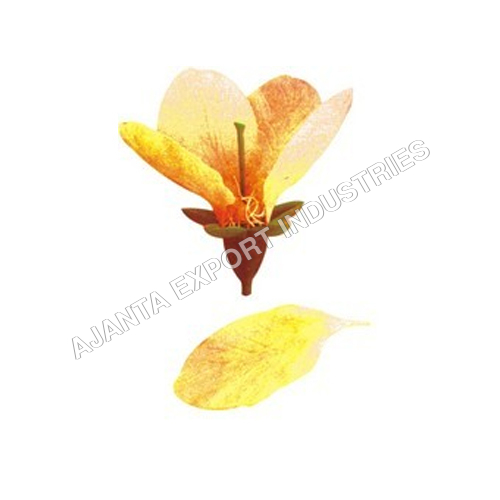
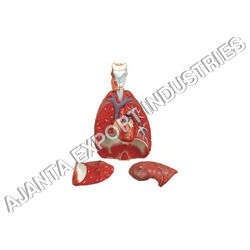
9 times enlarged model showing all detachable parts. One part of the cup-shaped recptacle with one sepal, two petals and one group of stamens is removable, exposing the middle ovary not grown together with the receptacle, which is typical for the prunoideae. Separates into 3 parts on stand Vibrant Seasonal BloomsPrunus flowering plants showcase spectacular blooms each spring, filling landscapes with gentle fragrance and a palette from white to light red. Their varied floral display brings a refreshing vitality to gardens and public spaces, attracting admirers and pollinators alike.
Adaptable Growth and StructureRanging between 2 and 10 meters tall, Prunus trees and shrubs accommodate diverse landscape designs. Their hardiness makes them suitable for regions with mild frost, and the plant's structure is equally suited to ornamental planting or specialized uses like bonsai.
Practical Models for Research and EducationArtificial Prunus models, meticulously crafted from PVC and rubber, are available for lab and hospital applications. Lightweight and durable, these specimens support botanical studies, teaching, and medical demonstrations, ensuring both realism and longevity.
FAQ's of Flower ( Prunus):
Q: How do I care for a Prunus flowering plant to ensure healthy growth?
A: Provide your Prunus with full sun to partial shade, plant in well-drained, fertile soil, and water regularly but moderately. Protect from waterlogged conditions and ensure adequate space for its eventual mature size of 2-10 meters.
Q: What benefits do Prunus flowering plants offer in landscaping?
A: Prunus plants bring vibrant spring color, gentle fragrance, and attractive forms-whether as trees or shrubs-making them excellent choices for gardens, avenues, and ornamental displays. They also support local wildlife by attracting pollinators.
Q: When is the best time to plant or transplant Prunus species?
A: The ideal planting or transplanting time is in early spring or autumn, coinciding with moderate temperatures and reduced plant stress for optimal establishment and root development.
Q: Where can artificial Prunus flower models be used effectively?
A: Artificial Prunus models, crafted from PVC and rubber, are invaluable for laboratory and hospital settings, educational displays, and botanical research where realistic, maintenance-free specimens are required.
Q: What makes Prunus suitable for use as a bonsai or ornamental tree?
A: Prunus species feature compact growth, beautiful seasonal blossoms, and hardy adaptability-ideal for shaping as bonsai or incorporating into ornamental landscapes.
Q: What is the process for creating the artificial Prunus flower models?
A: High-quality PVC and rubber are molded and hand-finished to precisely replicate natural Prunus flowers, resulting in durable, lightweight educational and display pieces ranging from 100 to 405 grams.







 English
 Spanish
 French
 German
 Italian
 Chinese (Simplified)
 Japanese
 Korean
 Arabic
 Portuguese


 Send Inquiry

