Product Description
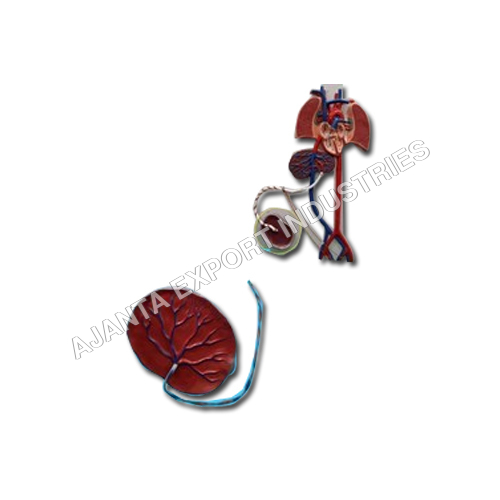
In the placenta the blood becomes enriched with nutrients and oxygen and gets via the unpaired umbilical vein into the fetal blood circulation system. During pregnancy, the fetal circulatory system works differently than after birth. Detailed Anatomical RepresentationThis fetal circulation model realistically illustrates the intricate pathways of fetal blood flow, helping students and educators visualize physiological processes. Its proportions and clear features make it invaluable for in-depth understanding in laboratory or classroom environments.
Robust and Safe MaterialsManufactured from high-grade silicon rubber, this model balances durability and safe handling, making it ideal for repeated use in academic settings. The material allows detailed structures to remain intact, even after multiple demonstrations.
FAQ's of Fetal Circulation Model:
Q: What material is used to manufacture the Fetal Circulation Model?
A: The model is made from silicon rubber, offering durability and flexibility, which helps in accurately replicating anatomical features for better educational demonstrations.
Q: How is the fetal circulation model used in laboratory and college settings?
A: It serves as a teaching aid for demonstrating the process of fetal blood circulation, allowing students to observe and understand blood flow pathways, vessel connections, and circulatory changes before and after birth.
Q: When should this model be utilized during medical education?
A: The model is typically introduced during courses covering fetal development, prenatal physiology, or pediatric anatomy, providing hands-on learning to supplement textbooks and lectures.
Q: Where can this model be purchased or sourced?
A: It can be acquired through authorized distributors, exporters, manufacturers, suppliers, and traders specializing in educational scientific models and laboratory equipment.
Q: What are the primary benefits of using this model in education?
A: Using the model enhances comprehension of fetal circulation, supports interactive and visual learning, and improves retention of complex physiological concepts among students.
Q: What are the dimensions and weight of the Fetal Circulation Model?
A: The model measures 61 cm in length, 46 cm in width, 7 cm in height, and weighs 2.8 kg, making it substantial enough for demonstration yet portable for easy use.
Q: Can the Fetal Circulation Model demonstrate specific processes?
A: Yes, the model can be used to explain the unique aspects of fetal blood circulation, including the function of shunts like the ductus arteriosus, foramen ovale, and ductus venosus.







 English
 Spanish
 French
 German
 Italian
 Chinese (Simplified)
 Japanese
 Korean
 Arabic
 Portuguese



 Send Inquiry

